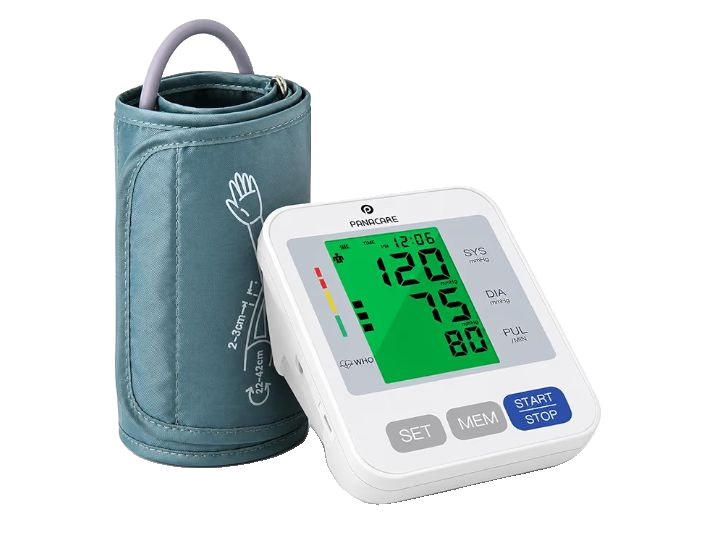
Blood Pressure Monitor
Blood Pressure Monitor
Blood Pressure Monitor
A blood pressure monitor is a medical device used to measure the force of blood pushing against the walls of the arteries. It helps individuals and healthcare professionals monitor blood pressure levels and manage cardiovascular health. These devices are commonly used in homes, clinics, hospitals, and other healthcare settings to provide quick and reliable readings.
How It Works
A blood pressure monitor measures blood pressure using an inflatable cuff placed around the upper arm or wrist. The cuff inflates to temporarily restrict blood flow and then gradually deflates. During this process, the device detects blood movement through the arteries and calculates systolic pressure, diastolic pressure, and pulse rate. Digital models display the results automatically on a screen.
Main Benefits
A blood pressure monitor allows regular tracking of blood pressure levels without frequent visits to a healthcare facility. It helps with the early detection of hypertension, supports treatment monitoring, and encourages better management of overall heart health. Regular monitoring can also provide valuable information for healthcare providers when evaluating a patient’s condition.
Key Features to Consider
When choosing a blood pressure monitor, it is important to consider measurement accuracy, display readability, memory storage capacity, cuff comfort, and ease of operation. Advanced models may also include irregular heartbeat detection, multiple user profiles, smartphone connectivity, and automatic data tracking features.
Where You Can Use It
A blood pressure monitor can be used in a variety of environments, including homes, hospitals, clinics, nursing facilities, and workplaces. Portable models are also suitable for travel, allowing users to monitor their blood pressure wherever they are.
Battery and Charging
Most blood pressure monitors operate using replaceable batteries, rechargeable batteries, USB charging systems, or AC power adapters. The available power options provide flexibility and convenience depending on the user’s needs and frequency of use.
Ease of Use
Modern blood pressure monitors are designed to be simple and user-friendly. Many devices require only the press of a button to begin measurement. Features such as large displays, clear instructions, and automatic operation make them accessible for users of different ages and experience levels.
Maintenance Tips
Proper maintenance helps ensure accurate readings and extends the life of the device. The monitor should be kept clean and stored in a safe, dry location. Batteries should be replaced or recharged as needed, and the cuff should be checked regularly for signs of wear. Following the manufacturer’s instructions is important for maintaining optimal performance.
Pros and Cons
The main advantages of a blood pressure monitor include convenience, quick results, easy home use, and the ability to track blood pressure trends over time. However, accuracy can be affected by incorrect cuff placement or improper usage, and some models may require regular battery replacement or calibration.
Who Should Buy It
A blood pressure monitor is suitable for individuals with high blood pressure, heart-related conditions, or those who need regular cardiovascular monitoring. It is also beneficial for older adults, patients undergoing treatment, and health-conscious individuals who want to keep track of their blood pressure levels.
Final Thoughts
A blood pressure monitor is an essential healthcare device that supports regular blood pressure monitoring and promotes better heart health management. With accurate measurements, easy operation, and convenient home use, it can play an important role in maintaining long-term health and well-being.

Reviews
There are no reviews yet.