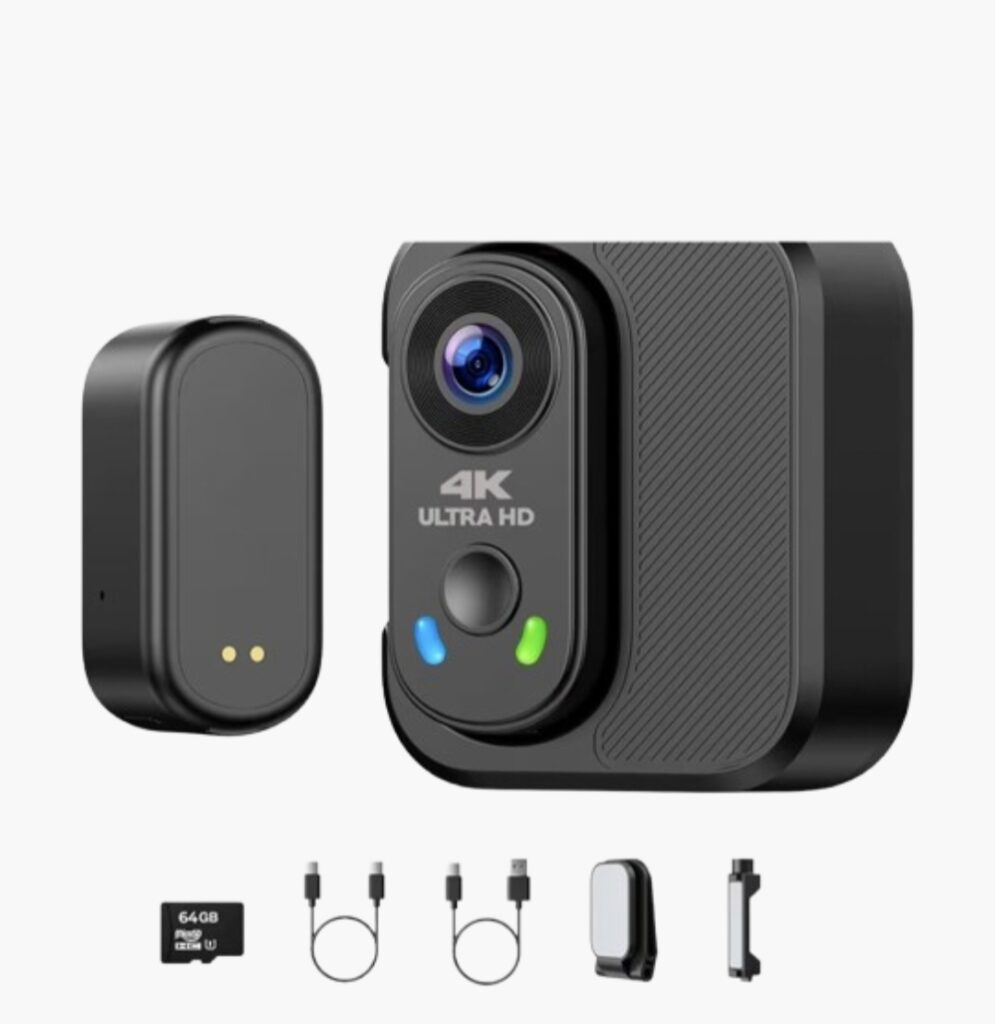
Body Camera
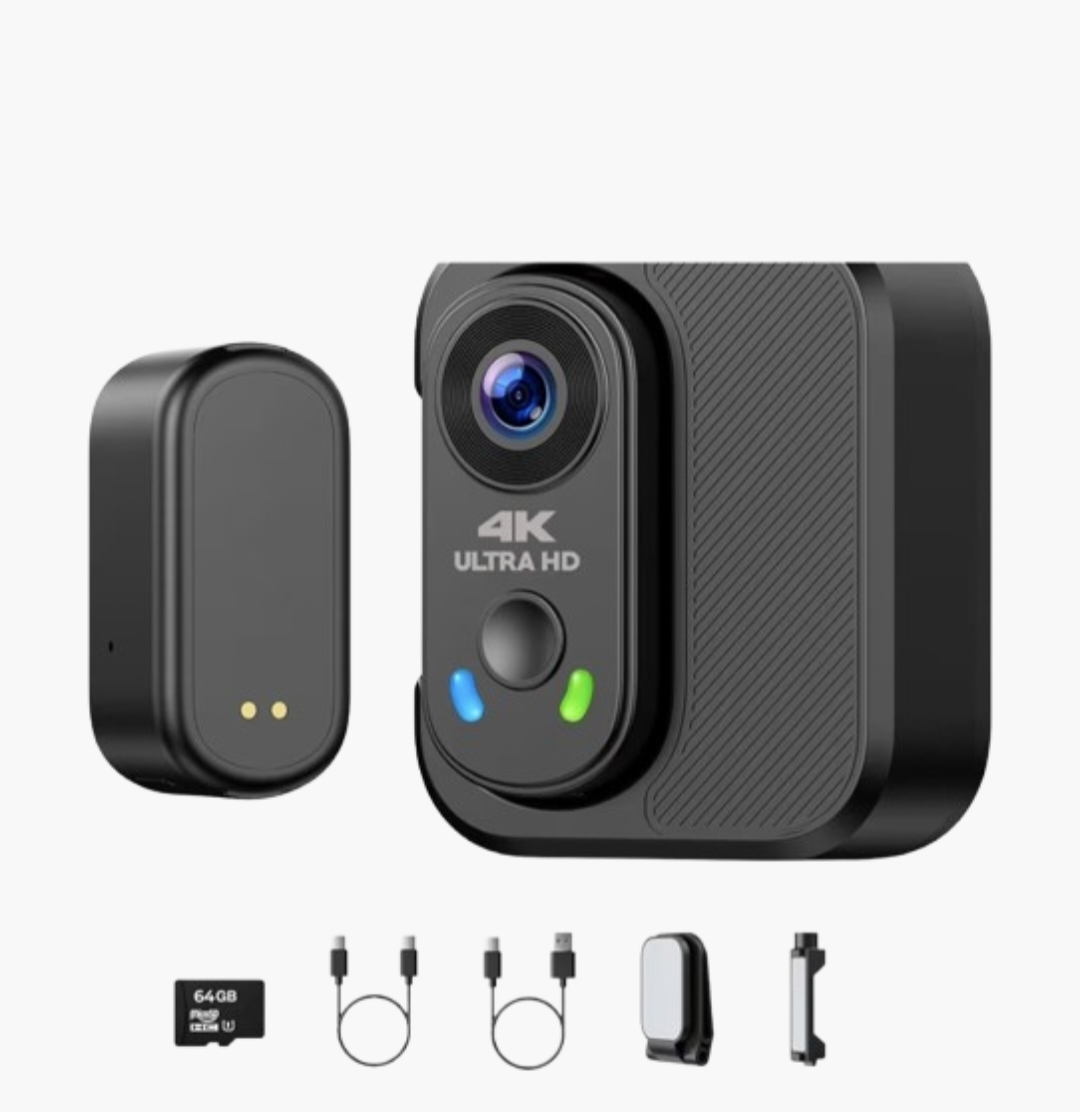
Body Camera
A body camera is a compact, ruggedized video recording device typically worn on a professional’s uniform to capture real-time interactions from a first-person perspective. Designed primarily for law enforcement, security personnel, and emergency responders, these devices serve as a vital tool for gathering evidence and ensuring transparency during high-stakes encounters. The hardware usually features a wide-angle lens to maximize the field of view, high-definition recording capabilities for facial recognition, and infrared sensors for clarity in low-light environments. To ensure integrity, the footage is often encrypted and stored on secure internal memory, preventing unauthorized tampering or deletion. Many modern units include “pre-event” buffering, which saves several seconds of video prior to the manual activation of the record button. They are built to withstand extreme weather and physical impact, ensuring reliability in the field. Beyond accountability, body cameras are used for training purposes, allowing agencies to review footage to improve tactical responses and communication skills. The presence of a camera often has a “civilizing effect,” potentially de-escalating volatile situations by reminding all parties that their actions are being documented. Data management is handled through specialized cloud-based platforms that maintain a strict audit trail for legal proceedings. While they raise important discussions regarding privacy and data storage costs, their role in modern oversight is indispensable. Ultimately, the body camera functions as an impartial digital witness, bridging the gap between subjective reports and objective reality. This technology continues to evolve with features like live-streaming and automatic triggers linked to holster sensors or sirens. By documenting the truth in real-time, these devices foster public trust and provide a definitive record of complex events.

Reviews
There are no reviews yet.