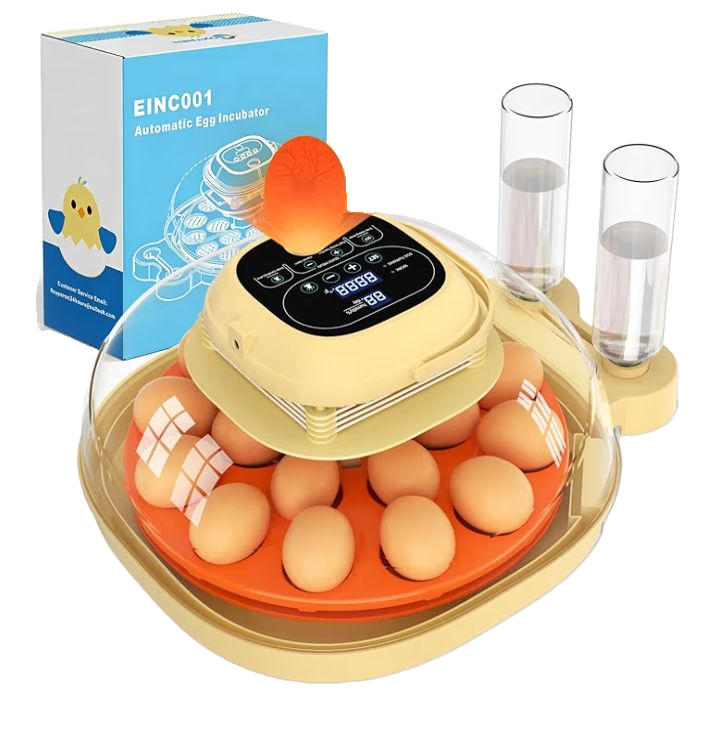
Egg Incubator For Hatching Egg
Egg Incubator For Hatching Egg
Egg Incubator for Hatching Eggs
An egg incubator for hatching eggs is a controlled environment device designed to replicate the natural conditions a mother bird provides. It regulates temperature, humidity, and ventilation to ensure eggs develop properly until they hatch. These incubators are widely used in poultry farming and small-scale backyard setups to improve hatch rates and manage breeding without relying on broody hens.
How It Works
An egg incubator works by maintaining a stable temperature, usually around 37.5°C for chicken eggs, along with controlled humidity levels. The eggs are placed inside a chamber where heat is distributed evenly using heating elements and fans. Many incubators also include automatic egg turning systems that rotate the eggs at regular intervals to prevent the embryo from sticking to the shell.
Main Benefits
The main benefit of an egg incubator is higher and more consistent hatch rates compared to natural incubation. It allows year-round hatching regardless of weather or broody hens. It also gives better control over breeding cycles and reduces the risk of egg damage or abandonment.
Key Features to Consider
Important features include temperature control accuracy, humidity regulation, egg capacity, automatic turning system, digital display, and alarm systems for temperature or humidity fluctuations. Energy efficiency and build quality also play a role in long-term performance.
Where You Can Use It
Egg incubators can be used in poultry farms, hatcheries, small backyard farms, agricultural research centers, and educational institutions. They are suitable for hatching chicken, duck, quail, and other bird eggs depending on the model.
Power and Operation
Most egg incubators run on electricity and require a stable power supply to maintain consistent conditions. Some advanced models include backup power options or battery support to handle outages. Proper setup before incubation is essential to ensure stable temperature and humidity from the start.
Ease of Use
Modern incubators are designed for simple operation with digital controls. Users only need to set the required temperature and humidity, place the eggs inside, and ensure water trays are filled. Automatic models reduce manual effort by handling egg turning and environmental adjustments.
Maintenance Tips
Regular cleaning after each hatching cycle is important to prevent bacteria buildup. Water trays should be washed, and the interior should be disinfected. Proper storage when not in use helps maintain device lifespan and performance reliability.
Pros and Cons
Egg incubators offer high hatch success rates, controlled conditions, and the ability to hatch eggs without hens. However, they depend heavily on electricity, require careful monitoring, and can be costly depending on features and capacity.
Who Should Buy It
Egg incubators are ideal for poultry farmers, hobby breeders, agricultural students, and small business owners involved in egg production. They are especially useful for those looking to scale up breeding operations or improve hatch consistency.
Final Thoughts
An egg incubator for hatching eggs is an essential tool for modern poultry management. It provides precision, reliability, and efficiency in the hatching process, making it a valuable investment for anyone serious about poultry breeding.


Reviews
There are no reviews yet.