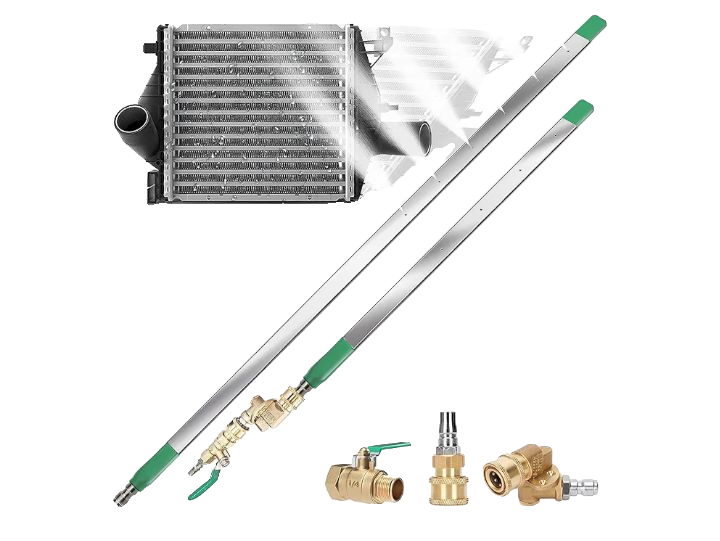
Radiator Cleaning Wand
Radiator Cleaning Wand
Radiation Cleaning Wand
The term “radiation cleaning wand” is not a standard scientific or industrial category. In most commercial contexts, it is used informally to refer to a UV-C light disinfection wand, which uses ultraviolet radiation to reduce or deactivate microorganisms on surfaces. It does not “clean radiation” or remove radioactive contamination.
How It Works
A UV-C cleaning wand emits short-wavelength ultraviolet light (typically around 200–280 nm). This light damages the DNA or RNA of bacteria, viruses, and other pathogens, preventing them from reproducing. The wand is usually passed over surfaces for a controlled time to achieve disinfection.
Main Benefits
It provides quick, chemical-free surface disinfection and can be used on demand. It is portable, easy to handle, and useful for reducing microbial contamination in small areas. It also avoids moisture or residue compared to liquid disinfectants.
Key Features to Consider
Important features include UV-C wavelength accuracy, exposure safety controls (auto shut-off when tilted or turned away), power output, battery capacity, and build quality. Some models include timers or motion sensors for added safety.
Where You Can Use It
These devices are commonly used on high-touch surfaces such as mobile phones, keyboards, hospital equipment, hotel rooms, office desks, and travel items. They are intended for surface disinfection, not air purification or deep cleaning.
Battery and Charging
Most UV-C wands are rechargeable via USB and use lithium-ion batteries. Battery life depends on usage time and UV intensity, typically lasting from 30 minutes to several hours per charge.
Ease of Use
They are simple to operate—usually involving a power button and slow sweeping motion over surfaces. However, correct usage distance and exposure time are important for effectiveness.
Maintenance Tips
The UV lamp should be kept clean and free from dust or fingerprints. The device should be stored safely to avoid accidental exposure. Batteries should be regularly charged, and the lamp replaced if UV output weakens over time.
Pros and Cons
Pros: Portable, chemical-free disinfection, quick operation, reusable, useful for travel and small spaces.
Cons: Limited to surface use, safety risks if misused (UV exposure to skin/eyes), effectiveness depends on correct usage, cannot replace deep cleaning.
Who Should Buy It
It is suitable for healthcare workers, frequent travelers, office users, and households looking for an additional surface hygiene tool. It is not a substitute for proper cleaning methods but can complement them.
Final Thoughts
A “radiation cleaning wand,” when referring to UV-C devices, is best understood as a supplemental disinfection tool rather than a complete cleaning solution. When used correctly and safely, it can help reduce surface-level microbial contamination, but it must be handled with care due to UV exposure risks.

Reviews
There are no reviews yet.