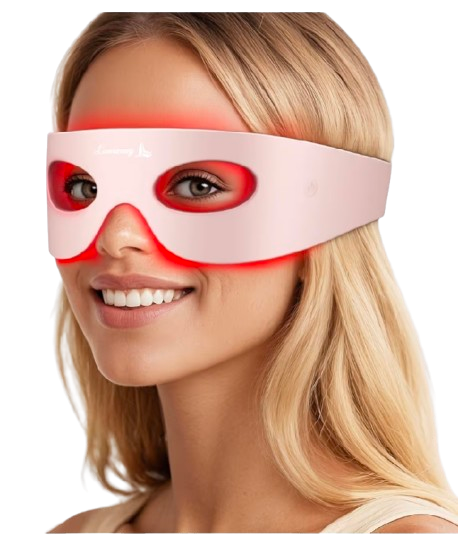
Red Light Therapy For Eyes
Red Light Therapy For Eyes
Red light therapy for the eyes, technically known as photobiomodulation, is an emerging therapeutic approach that utilizes specific long wavelengths of light, typically in the 670nm range, to stimulate mitochondrial function within the retina. As we age, the energy-producing centers of our retinal cells naturally decline, and research indicates that brief, controlled exposure to deep red light can help “recharge” these cells, potentially improving color contrast and visual acuity in older adults. In clinical settings, specialized devices have gained traction for slowing the progression of myopia in children and treating the underlying causes of dry eye syndrome by stimulating the meibomian glands. Most notably, the 2025 FDA approval of the Valeda system marked a significant milestone, providing a non-invasive option for managing dry age-related macular degeneration. However, safety remains a paramount concern because the intensity and power density of the light must be precisely calibrated to avoid phototoxicity or thermal damage to sensitive ocular tissues. Many consumer-grade red light panels designed for skin health are far too powerful for direct eye exposure, making professional guidance and specialized ocular devices essential for safe application. Experts generally recommend morning sessions, as the retina’s mitochondrial response appears most robust early in the day, while also cautioning that excessive duration can lead to eye strain or blurred vision. Ultimately, while the science suggests that red light can act as a powerful tool for maintaining long-term vision health, it must be approached with medical supervision to ensure the specific irradiance levels remain within the therapeutic window rather than reaching a hazardous threshold. This balance between cellular stimulation and safety makes it one of the most promising yet delicate frontiers in modern optometry and ophthalmology.
Reviews
There are no reviews yet.