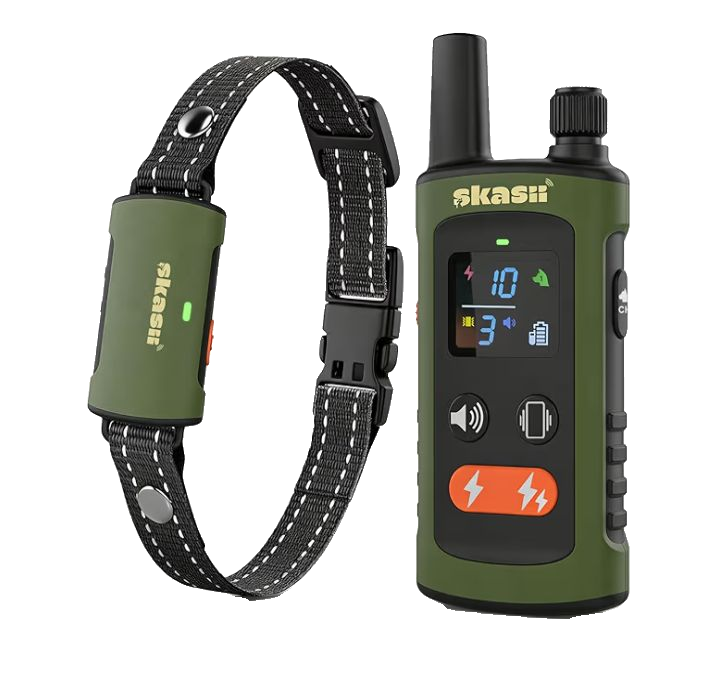
Training Collar For Dog
Training Collar For Dog
What Is a Training Collar for Dogs
A training collar for dogs is a device designed to assist with obedience training, behavior correction, and communication between a dog and its owner. Depending on the model, it may use vibration, sound, or static stimulation to reinforce commands and encourage desired behavior. When used correctly and responsibly, a training collar can be a useful tool for teaching recall, reducing excessive barking, and improving overall obedience.
How It Works
A training collar typically consists of a collar receiver worn by the dog and a handheld remote operated by the owner. When activated, the receiver delivers a selected signal such as a beep, vibration, or stimulation. The signal is paired with a command or behavior, helping the dog understand what action is expected. Consistent training and positive reinforcement are essential for effective results.
Main Benefits
Training collars can help improve communication between owners and dogs, especially during off-leash training or at longer distances. They can support faster learning of commands, assist in managing unwanted behaviors, and provide greater control in challenging environments. Many owners also find them useful for reinforcing training when verbal commands alone are not sufficient.
Key Features to Consider
When selecting a training collar, it is important to consider the training modes available, operating range, adjustable intensity levels, waterproof construction, collar size compatibility, and overall durability. Modern models often include multiple training options, safety features, and customizable settings to suit different dog breeds and temperaments.
Where You Can Use It
Training collars can be used in a variety of environments, including backyards, parks, training fields, farms, and other outdoor spaces. They are particularly beneficial in areas where dogs need to respond reliably from a distance. Indoor use is also possible when addressing behaviors such as excessive barking or ignoring commands.
Battery and Charging
Most modern training collars use rechargeable batteries designed to provide extended operating time. Charging is typically completed through a USB cable or dedicated charging dock. Battery life varies by model, usage frequency, and training mode, making it important to choose a collar that meets your training schedule and needs.
Ease of Use
A well-designed training collar should be simple to operate, with clearly labeled controls and straightforward settings. Adjustable levels, responsive buttons, and easy pairing between the remote and collar contribute to a smoother training experience for both the owner and the dog.
Maintenance Tips
Regular cleaning helps keep the collar in good condition and ensures proper performance. The contact points should be checked periodically, and the collar should be inspected for signs of wear or damage. Proper charging, safe storage, and following the manufacturer’s care instructions can help extend the product’s lifespan.
Pros and Cons
Training collars offer effective communication, support consistent training, and can improve obedience when used correctly. However, improper use may cause confusion or stress for the dog. Success depends heavily on responsible training practices, correct settings, and combining the collar with positive reinforcement techniques.
Who Should Buy It
A training collar may be suitable for dog owners seeking additional support with obedience training, recall training, or behavior management. It can be beneficial for active dog owners, professional trainers, and individuals working with dogs in larger outdoor environments where distance communication is important.
Final Thoughts
A training collar can be a valuable training aid when selected carefully and used responsibly. The best results come from combining the collar with patience, consistency, and positive reinforcement. By choosing a model with the right features and using it properly, owners can strengthen communication and help their dogs develop reliable, well-mannered behavior.


Reviews
There are no reviews yet.